

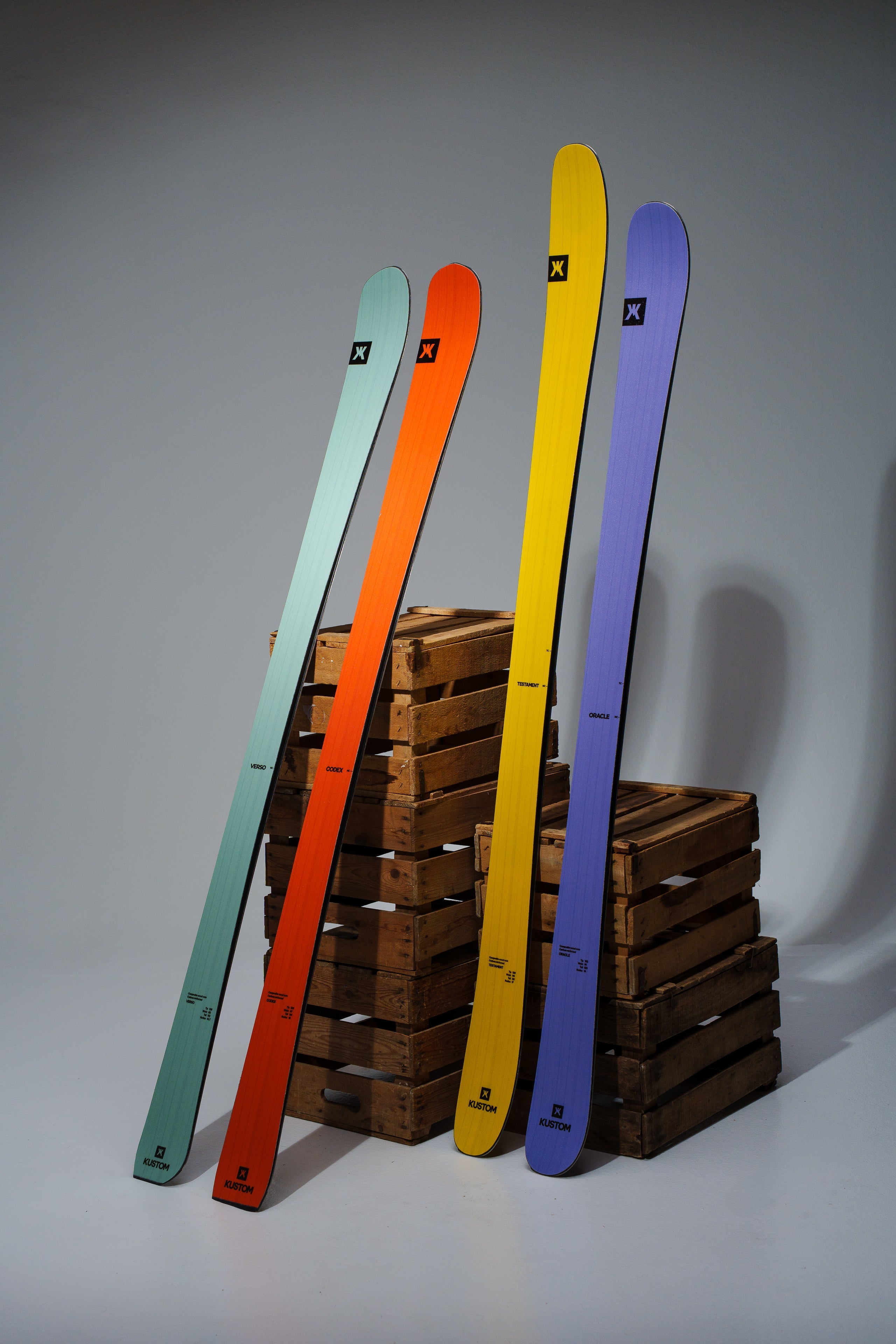
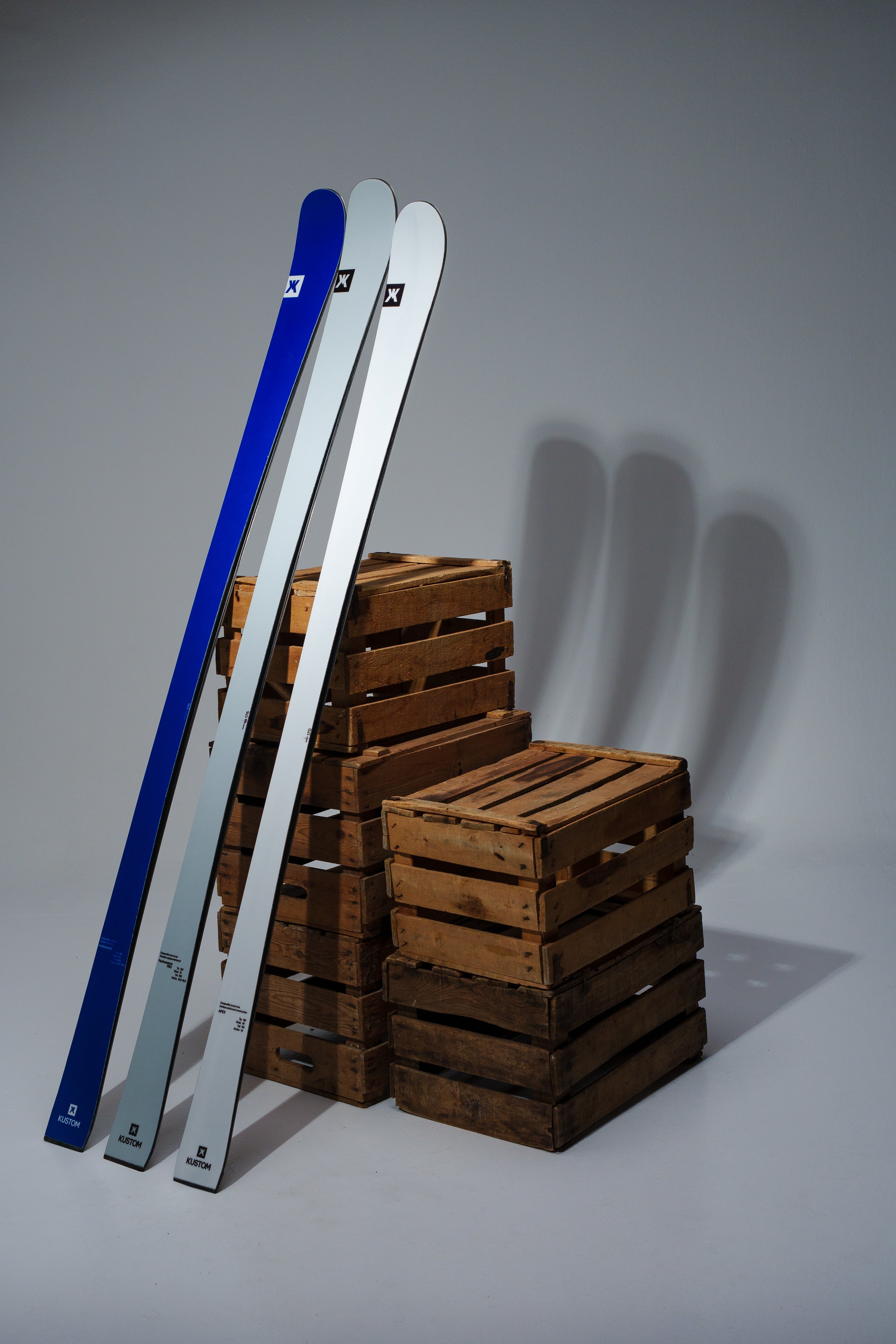
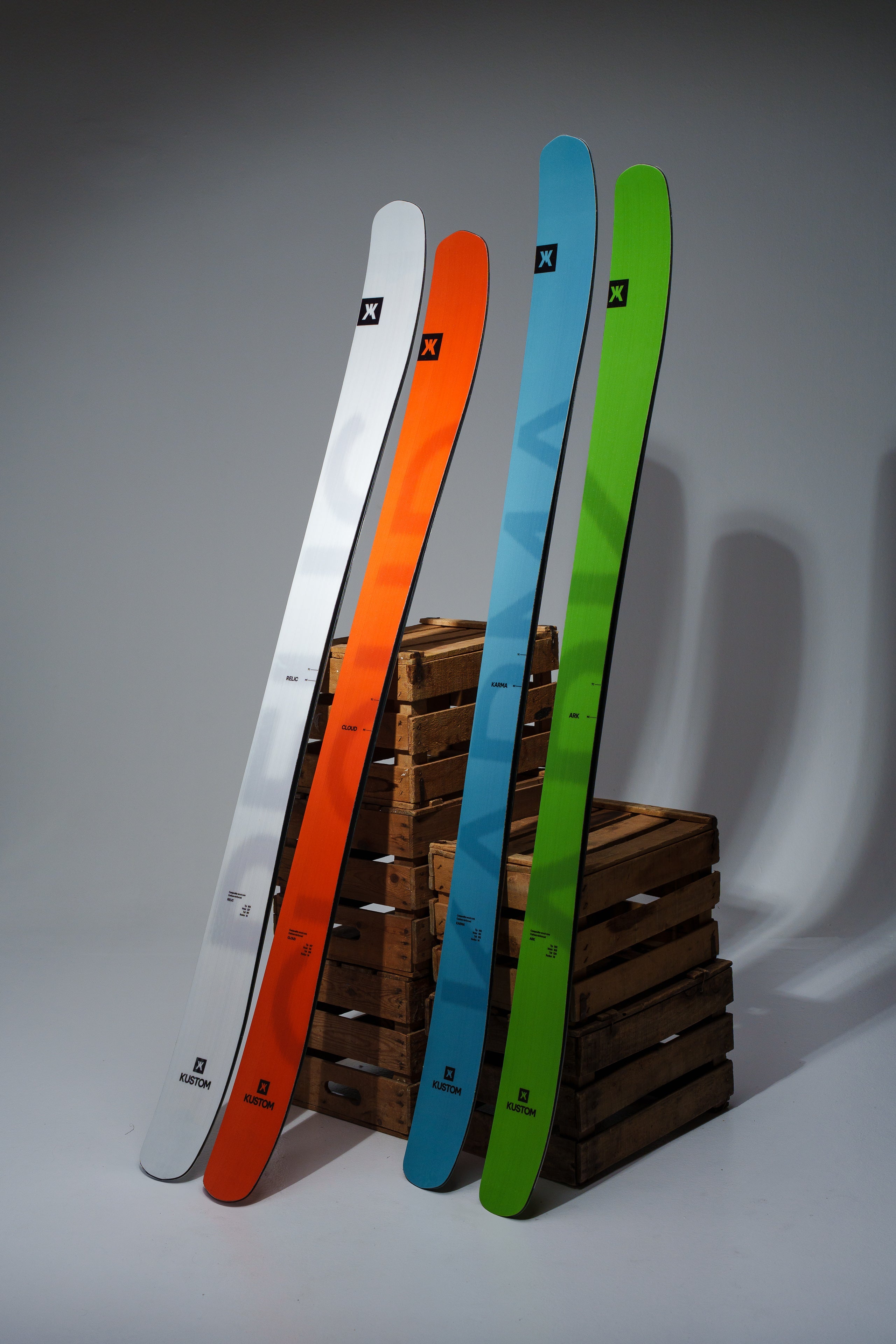
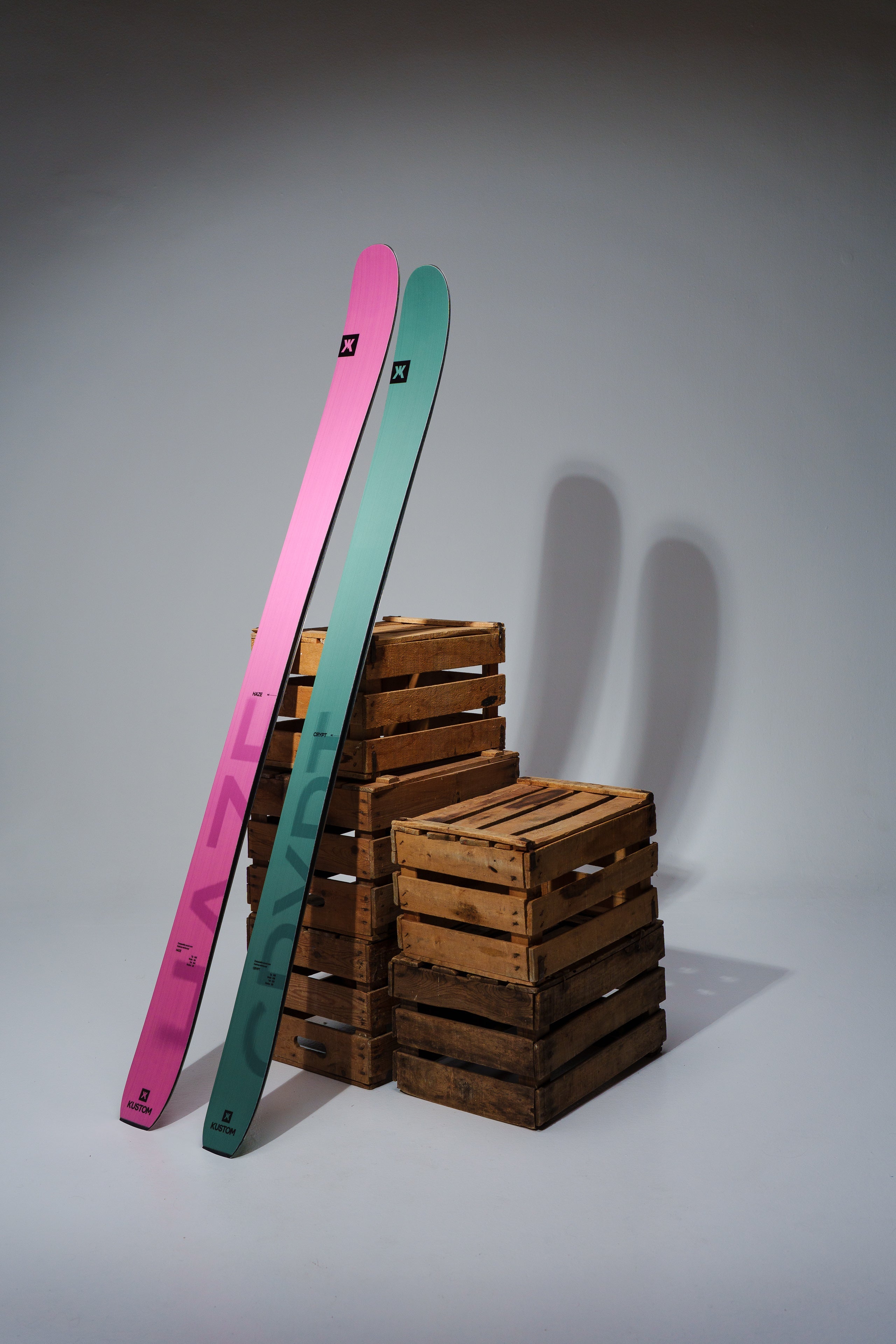

The Milano-Cortina 2026 Winter Olympics will be anything but ordinary. Not only because of the host cities—deeply linked to the history of European alpine skiing—but also because they come at a pivotal moment, when the sport is redefining its relationship with the mountains, speed, and how to move within them.
Cortina d'Ampezzo, Bormio, and Livigno are not venues built specifically for the occasion. They are territories where skiing has always been deeply ingrained in the local culture. And that will be evident in the disciplines that will define these Games.
Speed returns to pure skiing
Speed events once again take center stage at the Olympic Games. Downhill and Super-G will be contested on long, demanding tracks with real elevation changes, where strength and aerodynamics aren't the only factors to consider.
Here again, the ability to read the terrain, anticipate changes, and trust your equipment is key. Milano-Cortina points towards a less artificial style of skiing, where commitment is part of the game and where mistakes have real consequences. It's a way of competing that's closer to the mountain and less to the stadium.
Freeride as an influence
Although freeride isn't an Olympic discipline yet (but it will be someday), its influence is undeniable. The way we ski has changed: smoother footwork, less forced lines, and a more natural relationship with the terrain.
Many of today's athletes have grown up combining alpine skiing, off-piste skiing, and ski mountaineering. This is reflected in their movement, even in traditional disciplines. Milano-Cortina will showcase high-level skiing that focuses not only on speed but also on fluidity and constant adaptation to the terrain.
It's not competitive freeride, but it is skiing that has learned from it.
The material makes the difference again.
In Games of this nature, equipment is once again crucial. Not because of major, visible revolutions, but because of fine-tuning: high-speed stability, shock absorption, and predictable behavior when conditions change.
The trend is clear: less artifice and more reliability. Skis designed to perform throughout the entire run, not just on the perfect section. Equipment that moves with the skier instead of demanding constant corrections.
In this context, having a direct connection between design, manufacturing, and the mountain ceases to be a mere detail and becomes a real advantage. It's no coincidence that many of the most interesting solutions in modern skiing originate in small workshops, close to the terrain where they are later tested.
Ski mountaineering enters the Games
The big news for Milano–Cortina 2026 is the inclusion of ski mountaineering as an Olympic discipline. This is a step that goes far beyond simply adding an event to the calendar.
Ski mountaineering represents a different way of understanding skiing: self-sufficiency, efficiency, and adaptation to the environment. There are no ski lifts, no artificial aids. Just body, equipment, and the mountain. Its inclusion in the Olympic program is a recognition of a practice that has always been on the fringes of competition, but at the heart of European alpine culture.
It's also a clear sign of where skiing is headed in the future: less reliance on infrastructure and a greater connection to the terrain and real effort. For brands, athletes, and manufacturers who have grown up in this environment, this discipline isn't a fad, but rather part of their DNA.
A profoundly European Games
Milano-Cortina returns skiing to its natural context: mountains with history, changeable weather, and a deep-rooted technical culture. It's not just about competing, but about understanding where you compete.
These Olympics won't reward empty spectacle, but rather the ability to adapt, read the mountain, and trust the equipment. Speed, freeride-influenced skiing, and ski mountaineering form a single narrative: that of a sport that is once again looking to the mountain as its origin, not just as a stage.
For those of us who experience skiing from that perspective—from the workshop, the slopes, and the off-piste—Milano–Cortina 2026 is not just an event. It's a confirmation that this is the way forward.

