


At a time when many sectors are talking about a slowdown, the snow and mountain ecosystem presents a very different reality. Far from being a declining niche, skiing and everything surrounding it—fashion, tourism, automotive, lifestyle, and experiences—is clearly experiencing a phase of growth and maturity.
To begin with the figures: the global market linked to winter sports currently generates over $18 billion annually , with forecasts placing it above $35–$40 billion in the next decade , driven by annual growth of around 7–8% . In terms of users, it is estimated that there are more than 135–140 million active skiers and snowboarders worldwide , a solid and very loyal base.
Each season , more than 12 million pairs of skis and snowboards are sold, in addition to technical equipment, apparel, accessories, and, above all, indirect spending. In Europe, the average expenditure per skier at premium resorts exceeds €1,200–€1,500 per season , including lift passes, accommodation, food, and shopping. Mountain tourism already generates tens of billions of euros annually , with some resorts earning more than many mid-season urban destinations.

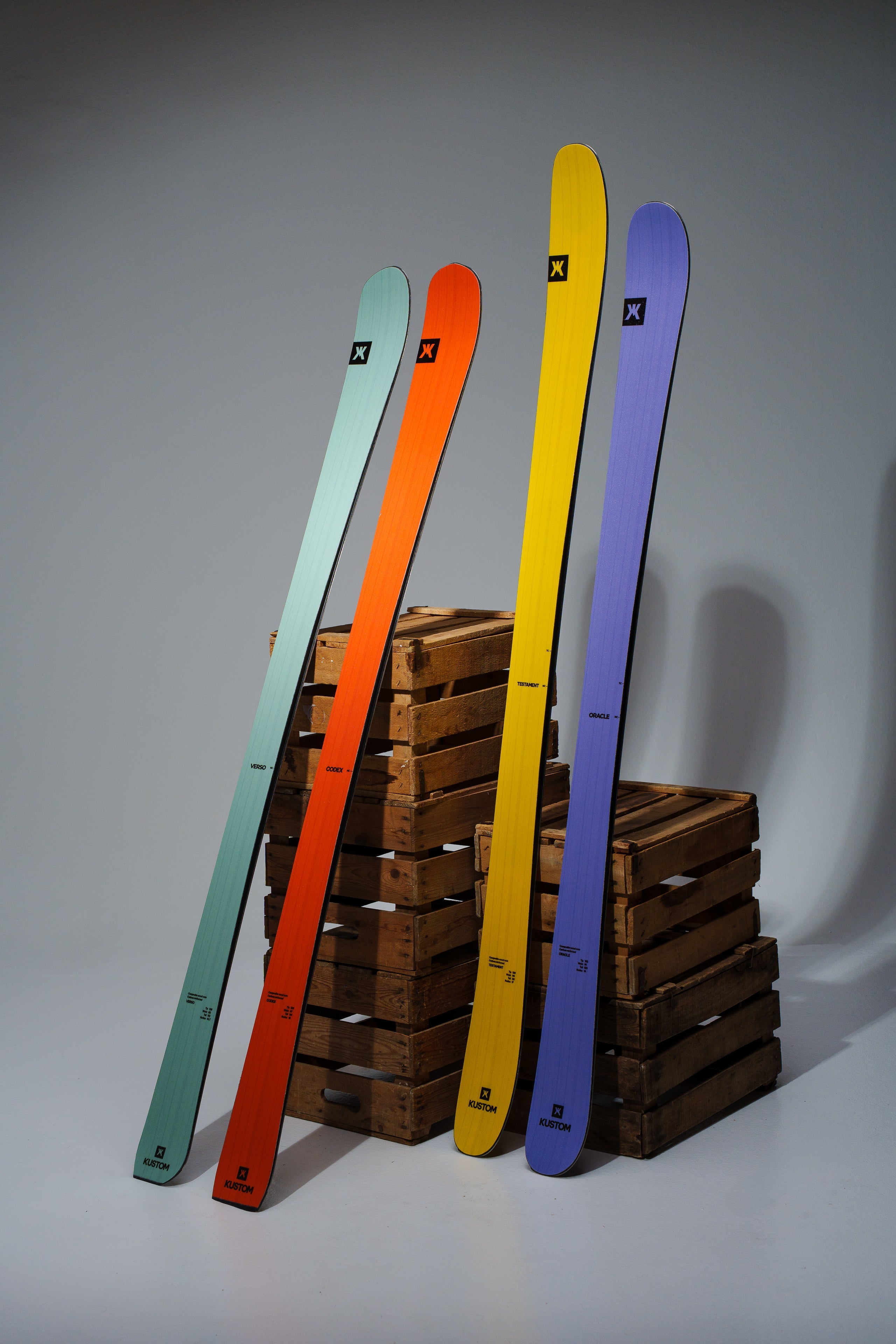
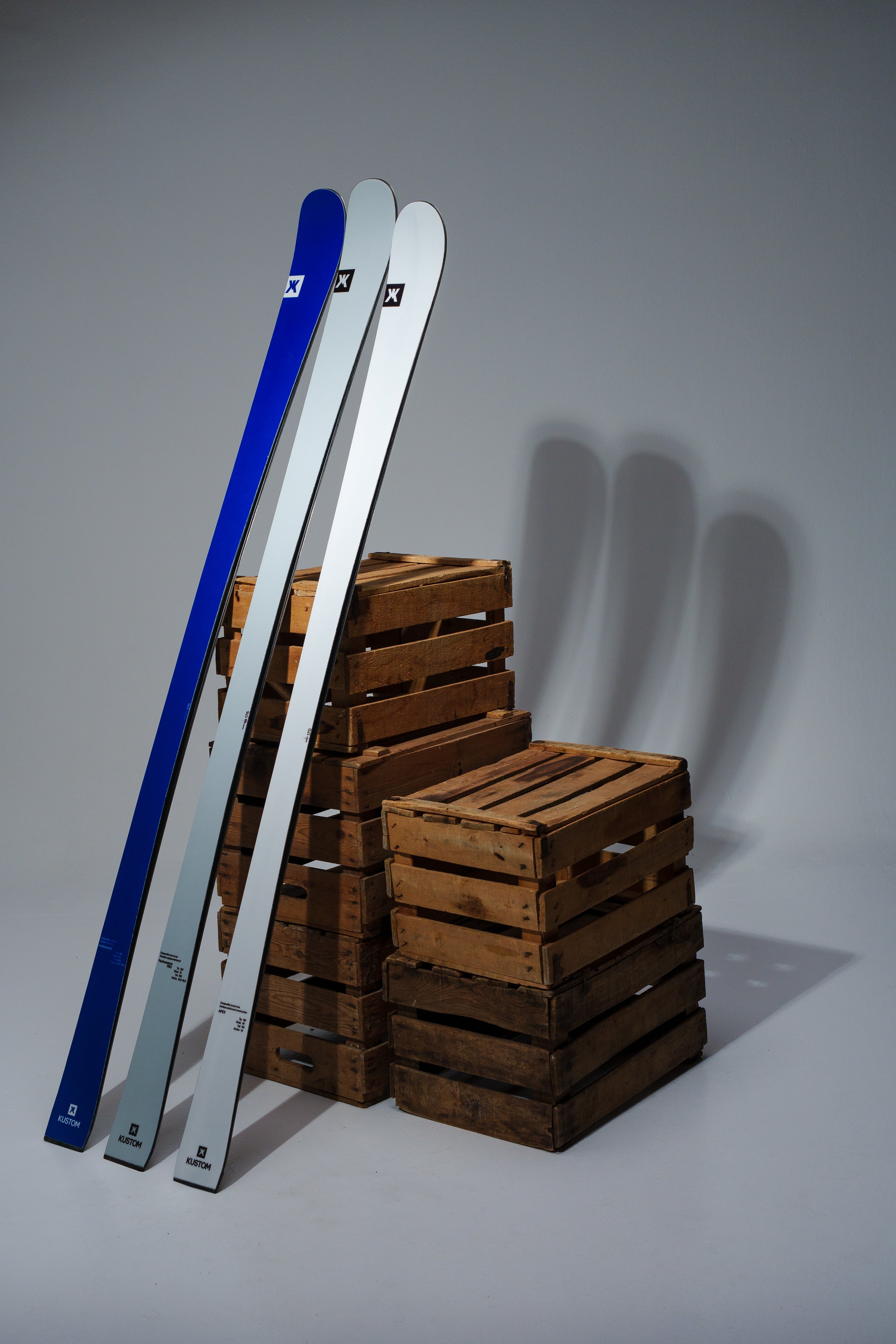
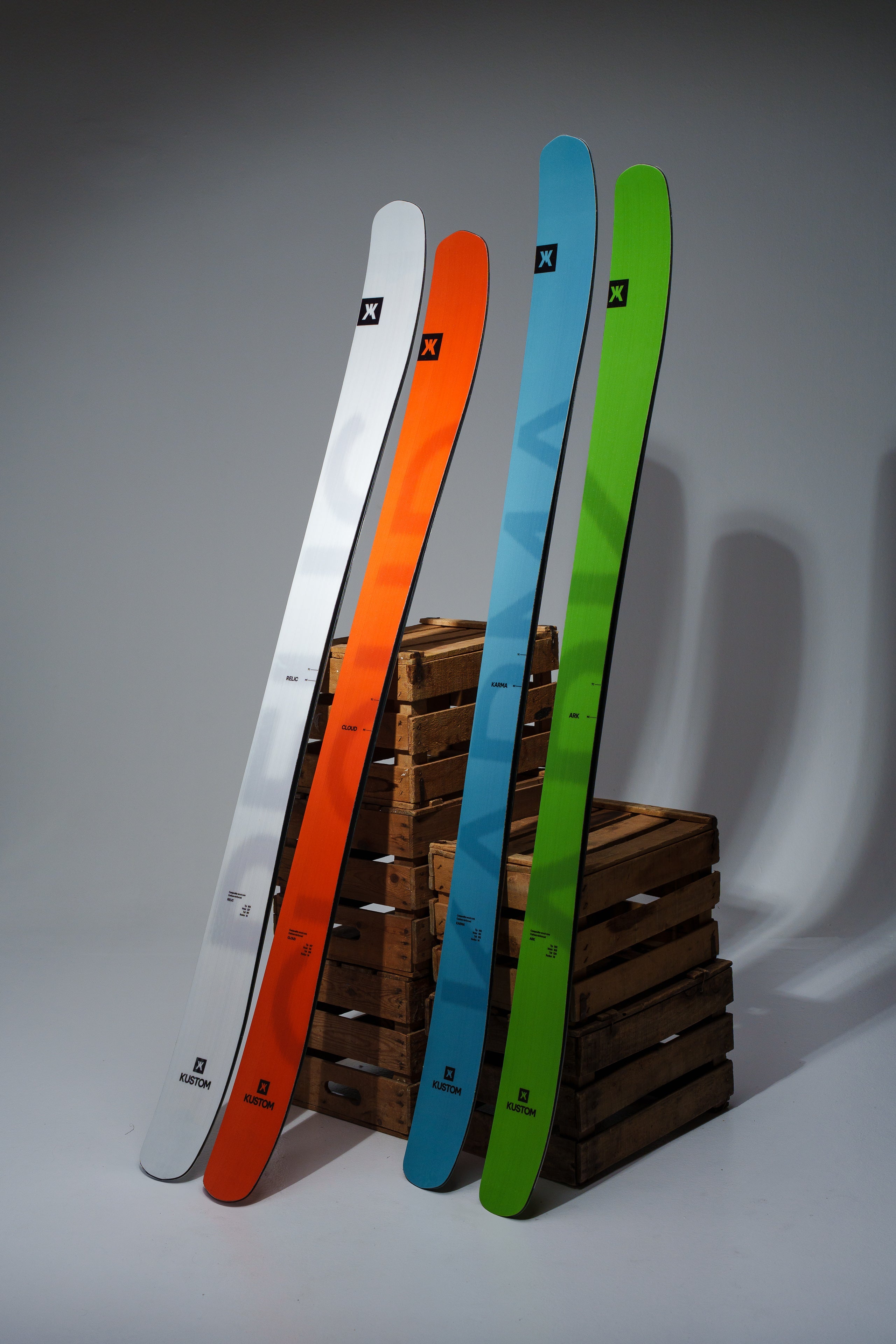
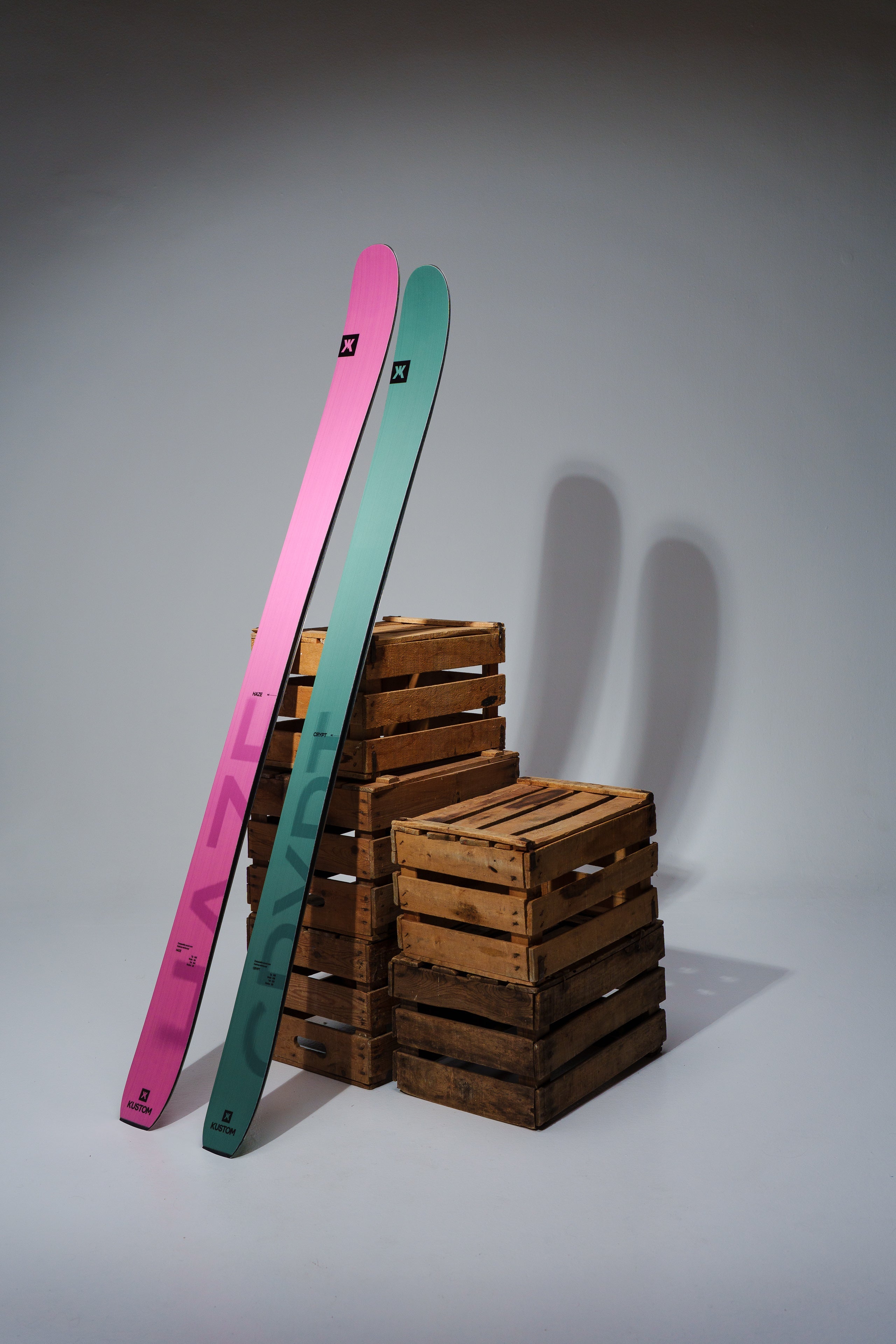
Kustom By Zarahome, 24/25 collection![]()
![]()
![]()
![]()
![]()
![]()
![]()
![]()
![]()
![]()
![]()
But beyond the economic volume, the real change lies in who is entering this ecosystem. Today we see major fashion groups like Inditex , with brands such as Oysho, Zara, and Zara Home , developing collections and projects linked to the world of snow. Lifestyle brands like Brownie are embracing this imagery. Premium automotive brands like Audi and Porsche are collaborating with ski brands and hosting activations at resorts. Even restaurant brands like Vicio have brought physical experiences—such as food trucks—to key resorts like Baqueira.

Porsche collaboration with Head
This is because snow offers something very difficult to find in other sectors: genuine aspiration, community, experience, and values . The audience is highly influential, the environment reinforces brand positioning, and the average purchase price is high. For this reason, the market for collaborations and capsule collections centered around snow is growing at a double-digit rate every year , especially in apparel, automotive, and brand experiences.
There's also a paradox inherent to this industry. More than six months are spent preparing for a season : product development, collections, order negotiations, exploring new opportunities, and strategic planning. And then, when the snow arrives, everything happens incredibly fast. The season flies by, and there's hardly any time to stop. It's pure intensity, and perhaps that's why it resonates so deeply with life itself.
Far from declining, the snow sports industry is expanding, becoming more professional, and connecting with increasingly larger industries . Fashion, automotive, gastronomy, and tourism are finding common ground in the mountains. For those who think this sector is in decline, the data and the brands say otherwise: snow sports are not only holding strong, but they still have a long way to go .

